Cold & snow this winter could give us our most colorful spring in years
Did you know snow can keep your garden warmer? The groundhog says six more weeks of winter - but when spring does arrive, it could be our best in years!
More Stories




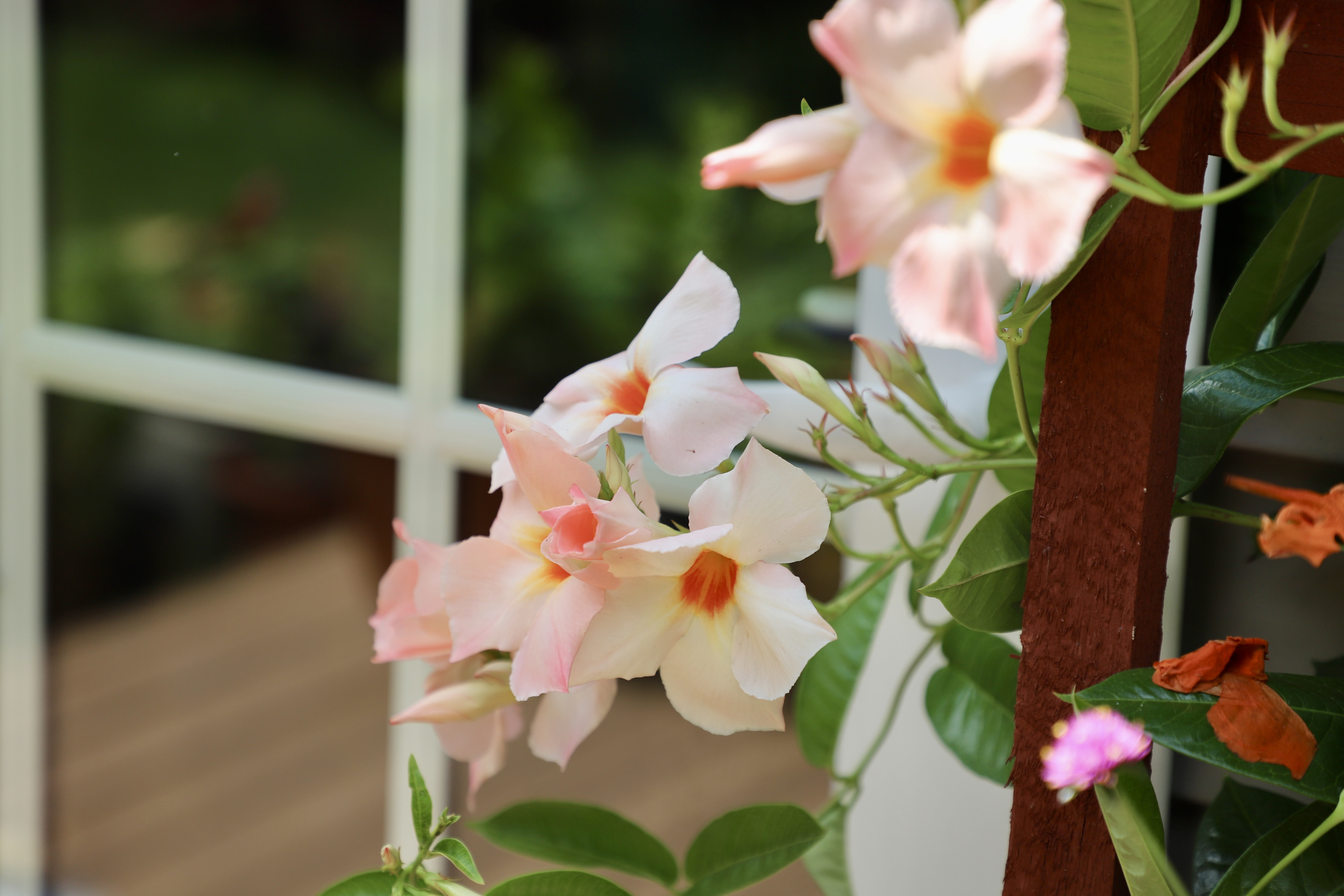

Winter 2026 has been cruel for warm weather lovers, but gardeners will be reaping the benefits in a few weeks!
This winter has been one of the snowiest in years. Even though the ground is literally frozen solid, we have a reason to celebrate. That thick, lingering blanket of snow is a nuisance for us, but it's a blanket of goodness for some (but not all!) plants
These plants benefit from snow
Perennials, which are plants that die to the ground and resprout from the roots each year, benefit the most from snow cover. Snow keeps the soil from drying out, which is a common problem in winter when humidity levels are low and the wind is typically very strong. Snow cover melts when temperatures warm up, giving plants what they need when they need it
It's no surprise that snow cover helps regulate moisture levels, but did you know snow can keep your plants warmer? A fluffy snow cover retains a lot of air, and that protects our perennials from extreme temperatures.
The ground doesn't warm up as fast during the daytime because of the snow's high albedo (it reflects a lot of sunlight,) but the ground doesn't get as cold at night because of the insulating properties of soil. This can also keep eager plants from popping up too early and getting damaged by spring freezes.
Perennials that benefit strongly include:
Hostas
Daylilies
Peonies
Coneflowers (echinacea)
Black-eyed Susans (rudbeckia)
Ornamental grasses
Winter weather can hurt some plants
Snow is beneficial for most dormant plants, but evergreens and some shrubs can be hurt by winter weather
Evergreens (boxwood, arborvitae, yew): Heavy snow can bend or break branches and promote fungal diseases if the foliage stays wet for too long.
Plants that need good drainage: Plants that prefer good drainage like lavender, yucca, and "hens and chicks" can rot under snow.
Early blooming perennials: Extended snow can delay emergence and flowering. For example hellebores, crocus, and snow drops, which can bloom in February during mild years, may not bloom until March this year.
Snow cleanup can harm plants
One of the biggest winter threats to our garden doesn’t come from snow, it comes from what we put on top of it. De-icing is a major source of pollution this time of the year. High salt levels force water out of plants causing them to dehydrate, which appears as "salt burn."
Safer alternatives to salt
If you need traction:
Use calcium magnesium acetate (CMA) or calcium chloride, which is said to be less harmful than sodium chloride.
Apply sand, grit or kitty litter for traction without chemical damage. This will need to be reapplied after rain and snow or on days with significant new ice.
Shovel early and often to reduce the need for de-icers .
What this snowy winter could mean for spring
If snow cover persists without excessive ice buildup or salt exposure, this winter could lead to:
Stronger root systems
Better soil moisture levels
Reduced winter kill
More vigorous spring growth and flowering
So as tempting as it is to hate every fresh snowfall, at least your garden is loving it!