Feds ban 3 potent kratom-related opioids, but NY mom who lost son says it doesn’t go far enough
Sandra Wilson, of Huguenot, says the traditional kratom her 31-year-old son was taking when he overdosed remains legal under the new federal action.
More Stories


The federal government is cracking down on three potent opioid compounds linked to the growing kratom market — but an Orange County mother who lost her son after years of kratom use says the action still leaves dangerous products on store shelves.
Sandra Wilson, of Huguenot, says the federal action would not have prohibited the type of kratom her 31-year-old son, Randy Wilson, was taking when he died in July 2025.
The Department of Justice announced Tuesday that the Drug Enforcement Administration is temporarily placing mitragynine pseudoindoxyl, known as MGPI, and two synthetic compounds known as MGM-15 and MGM-16 into Schedule I of the Controlled Substances Act.
Federal officials say the compounds are potent opioids chemically related to mitragynine or 7-hydroxymitragynine — compounds associated with kratom — and may carry risks including dependence and respiratory depression.
The action targets deliberately manufactured and concentrated opioid products — not traditional botanical kratom.
“We need a total ban,” Wilson said. “I think there are still too many loopholes.”
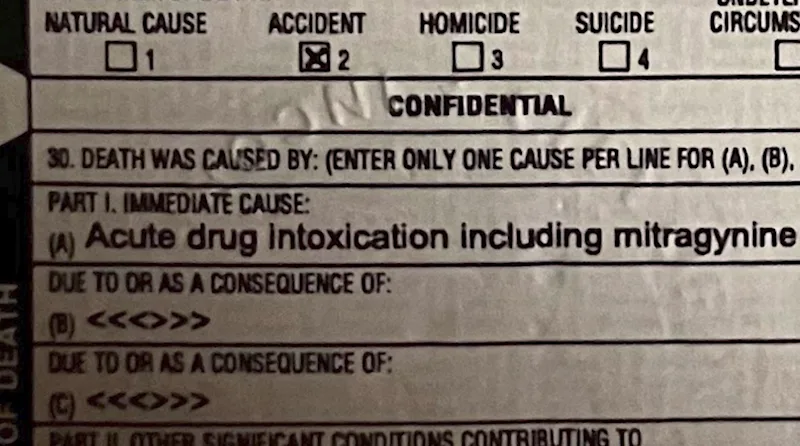
For Wilson, the ban is a start but isn't enough. Her son's death certificate, reviewed by News 12, lists Randy's cause of death as acute drug intoxication, including mitragynine — the primary active compound in traditional kratom.
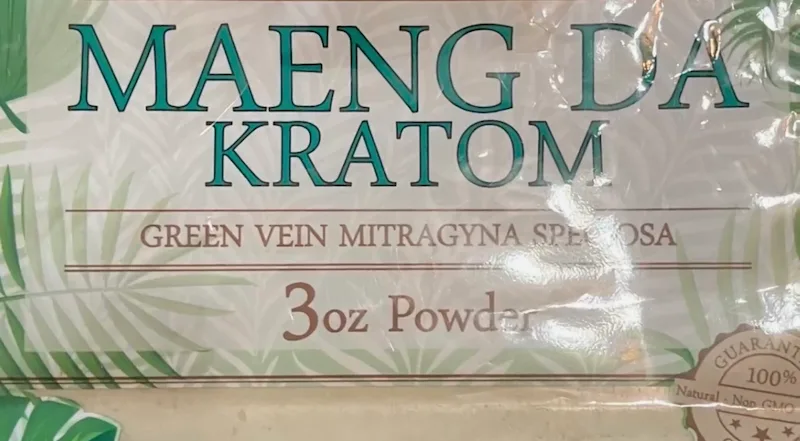
Wilson says Randy was using Maeng Da Kratom made by Remarkable Herbs. Traditional kratom products like the one she says her son was taking are not prohibited under the new federal action.
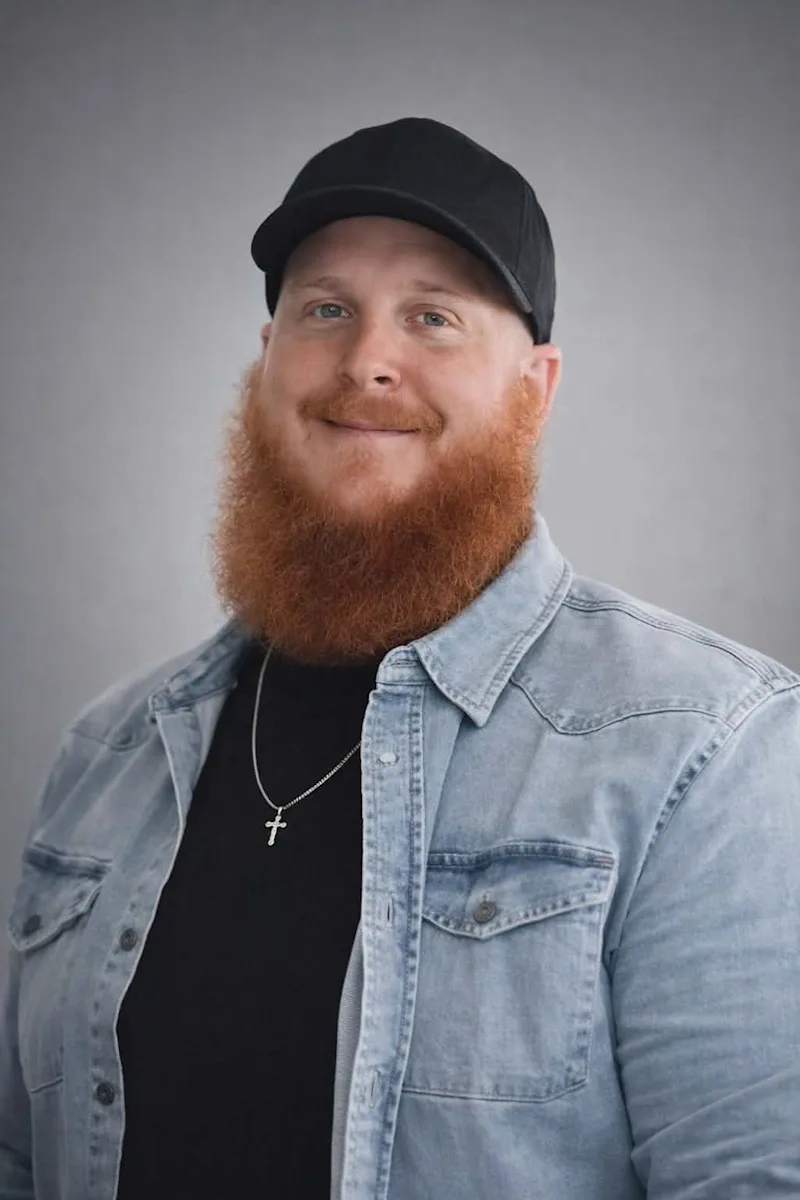
“Leaving the pure leaf legal and available is a gateway to more synthetics,” Wilson said.
Kratom is often marketed as a natural or herbal supplement. People report using it for a variety of reasons, including boosting energy and focus, managing pain or anxiety, and easing opioid withdrawal symptoms. However, the FDA has not approved kratom for any medical use and has warned consumers about potentially serious risks associated with kratom and kratom-derived products.
Wilson says her son was originally introduced to kratom for energy while working physically demanding, 16-hour days. She says what began as a way to keep going eventually became an addiction that took over his life.
“He was a genuinely good person. A hard worker,” Wilson said.
She says Randy once loved animals, hiking and being outdoors, but over the course of roughly eight to 10 years, his kratom use increasingly consumed his life, finances and interests.
“All he could think about was the kratom,” Wilson said. “It destroyed him.”
Wilson says Randy would go to a convenience store as many as three times a day. At the time, she thought he was going there to buy junk food.
“We are going to a gas station or tobacco store and we are buying a product to make us feel better,” Wilson said. “Since when did our gas stations and smoke shops become our medicine shops?”
Wilson says the family had no idea kratom could be deadly.
On the day Randy died, she says nothing seemed unusual. He was home, ate dinner and took a shower before suffering a fatal seizure.
Wilson has since pushed for tougher kratom restrictions and testified this week in Dutchess County as lawmakers there consider restrictions on high-potency kratom-related products.
The federal action comes amid a growing crackdown on kratom and its increasingly potent derivatives. State and local governments across the region have pursued different approaches — ranging from restrictions on high-potency derivatives to broader bans.
Wilson says those distinctions are difficult for consumers to understand and don’t address what happened to her son.
“It is not FDA regulated. There’s no dosing. You don’t even know where you are getting it or where it’s coming from and what’s been added to it,” Wilson said.
For Wilson, the push for tougher restrictions is now about making sure other families understand a risk she says she never knew existed.
"I am now 13 months without my son. My life will never be the same," Wilson said. “As a parent, I did not know. I want people to know that you can die from something that is marked all natural."